Smart Locker Explained – How Intelligent Lockers Work
What Is a Smart Locker?
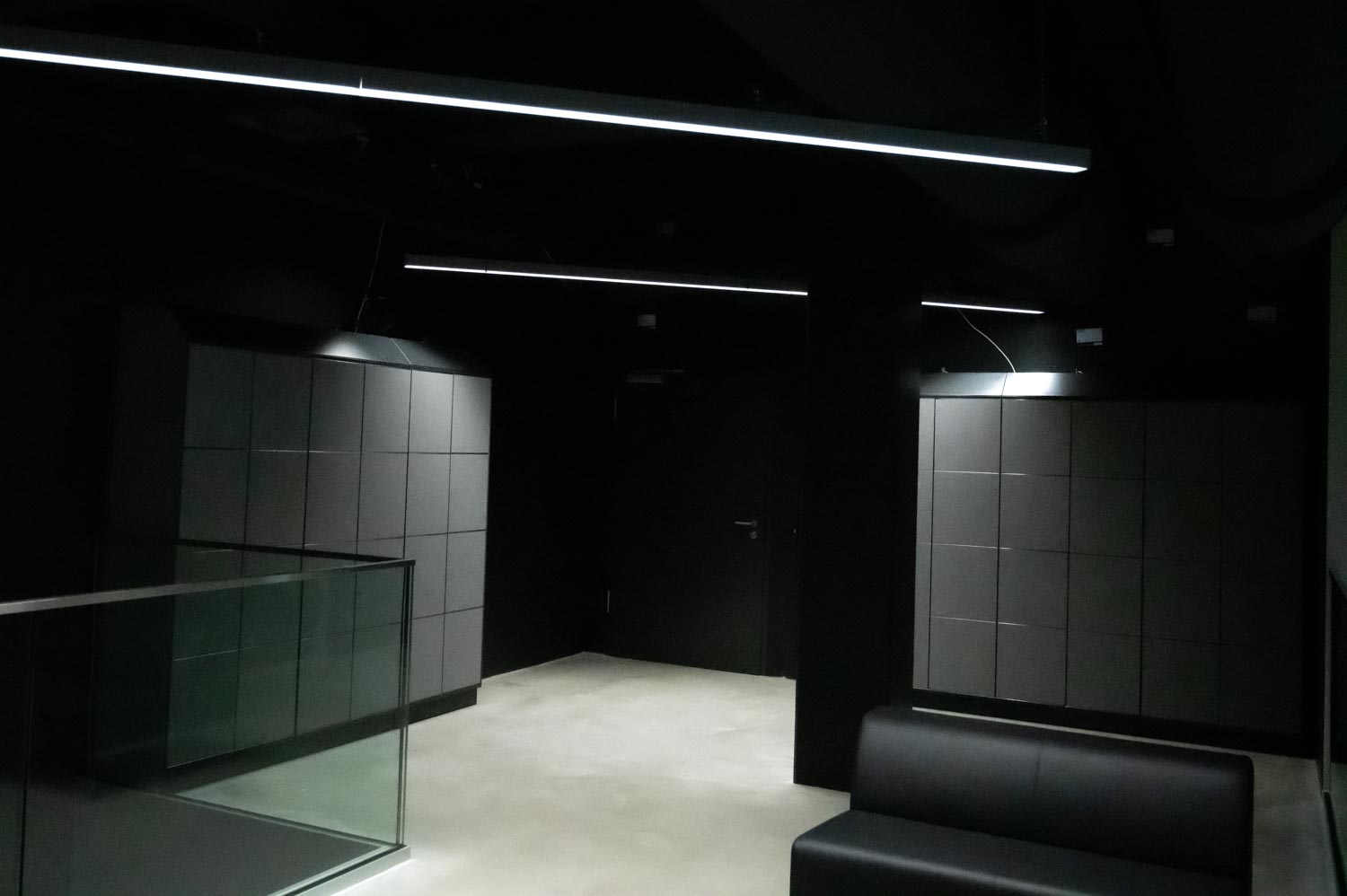
A smart locker is an electronically controlled locker system managed via software. Unlike traditional lockers with keys or coin slots, a smart locker is opened via app, QR code, PIN, or RFID – and controlled in real time through a central platform.
The term "smart locker" (also: intelligent locker or electronic locker) doesn't just describe the hardware – a cabinet with compartments – but the interplay of physical furniture, digital control, and cloud software. This interplay is what makes the difference.
To see what such a system looks like in practice, explore our smart locker system.
How Does a Smart Locker Work?
The technical foundation of a smart locker consists of three components:
- Hardware: A locker cabinet with electronic locks – each compartment can be individually controlled.
- Software / Cloud: A central platform manages permissions, bookings, and usage data in real time.
- Access Method: The user opens the compartment via smartphone app, QR code, PIN code, or RFID card – entirely without a physical key.
In practice, it works like this: An administrator assigns a compartment via the dashboard, the recipient receives a digital access code and can open the compartment within a defined time window. Afterwards, the compartment is automatically released for the next use.
Who Uses Smart Lockers?
Smart lockers are no longer a niche product. They are used in a wide variety of areas:
- Offices & Co-Working: Distribution and return of IT equipment, laptops, or access cards – without waiting at reception.
- Gyms & Sports Facilities: Members use lockers via app – without staff having to manage keys.
- Parcel Delivery & Logistics: Parcels are placed in lockers and picked up by recipients via code – around the clock.
- Retail & Click & Collect: Customers order online and pick up goods contactlessly at the locker.
- Municipalities & Authorities: Secure handover of documents, keys, or equipment – traceable and GDPR-compliant.
Advantages Over Traditional Lockers
What specifically distinguishes a smart locker from a traditional key cabinet or coin-operated locker?
No Key Loss
Digital access replaces physical keys – no cutting, no risk of loss.
24/7 Availability
Pickup and return around the clock – independent of opening hours or staff.
Central Management
Control all compartments from one dashboard – across locations and in real time.
Full Traceability
Every opening is logged – you always know who accessed which compartment and when.
Higher Security
Individual access codes, time windows, and automatic locks increase protection.
Flexible Access Methods
Smartphone, QR code, PIN, or RFID – freely combinable depending on the use case.
Traditional Locker vs. Smart Locker Compared
| Criterion | Traditional locker | Smart Locker |
|---|---|---|
| Access | Key, coin or padlock | RFID, PIN, QR code or app |
| Running costs | Key replacement, lock changes, staff for handover | Higher purchase price, but hardly any ongoing staff effort |
| Security | Keys can be copied or lost | Individual, time-limited permissions |
| Management | On-site, often with paper lists | Central dashboard across all locations |
| Audit trail | None | Every opening is logged |
| Availability | Depends on opening hours | Around the clock |
From a Single Compartment to a Smart Locker System
A single smart locker solves a local problem. A smart locker system, by contrast, connects many cabinets, locations and user groups through shared software: permissions apply everywhere, reports are consolidated centrally and new sites are simply added.
What matters is that the smart locker system is hardware-independent. Existing cabinets can be retrofitted and hardware from different vendors can be run together – instead of building a separate island solution for every site.
Smart Lockers in Practice
Safety equipment and staff lockers at the plant
In industry, smart lockers dispense personal protective equipment around the clock – including during shift work when no counter is staffed. Every withdrawal is assigned to an employee, and stock levels are always visible in the dashboard.
Gyms and leisure facilities
Members open their locker with the same RFID card they used to check in. Lost keys and discussions at reception disappear; blocked compartments are detected in the system and can be released by staff.
Rentals without on-site staff
For beach chair, SUP or kayak rentals, customers automatically receive a digital key with their booking that is only valid for the booked period. TIKI SHARE is in use this way in 100 installations across seven countries.
Learn more about the technology and possibilities on our TIKI Smart Locker page or in our glossary under Smart Locker definition.
Conclusion
Smart lockers are more than a technical upgrade for lockers. They fundamentally change how physical handovers are organized – faster, more secure, and without staffing costs. Whether for equipment distribution, parcel pickup, or key handover: With the right locker management software, every compartment becomes an automated service point.
The future of physical handover is digital – and it has already begun.
Want to learn more about how smart lockers can simplify your daily routine or business?
Discover our solutions.